
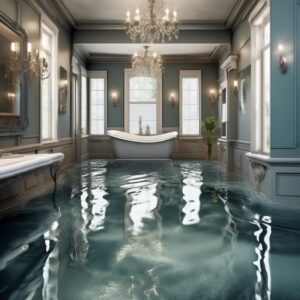
In the hospitality industry, maintaining a pristine and welcoming environment is crucial for attracting and retaining guests. One of the significant threats to this environment is water damage, which can occur suddenly or develop gradually over time. Water damage can lead to structural issues, health hazards, and aesthetic problems that can detract from the guest experience and harm the hotel’s reputation. Therefore, regular water damage inspections are essential to ensure the safety, functionality, and appeal of a hotel. This blog post explores the various circumstances under which a hotel might require a water damage inspection, the benefits of such inspections, and how they can be effectively conducted.
Understanding Water Damage in Hotels
Water damage in hotels can result from various sources, including plumbing leaks, roof leaks, flooding, and HVAC system malfunctions. The effects of water damage can range from minor issues, such as stained ceilings and peeling paint, to severe problems like mold growth, structural damage, and electrical hazards. Given the complexity and potential severity of water damage, it’s critical for hotel management to recognize when a water damage inspection is necessary.
When to Conduct a Water Damage Inspection
After Severe Weather Events
Heavy Rain and Flooding: Hotels located in regions prone to heavy rain and flooding should conduct water damage inspections after significant weather events. Floodwaters can infiltrate the building’s foundation, leading to long-term structural issues.
Hurricanes and Tropical Storms: Coastal hotels are particularly vulnerable to hurricanes and tropical storms. The high winds and heavy rain associated with these events can cause extensive water damage to roofs, windows, and exterior walls.
Following Plumbing Incidents
Burst Pipes: A burst pipe can release a large volume of water into the hotel’s infrastructure, causing immediate and extensive damage. Inspecting the affected areas ensures that all water damage is identified and addressed.
Leaks and Drips: Persistent leaks, even if they seem minor, can lead to significant water damage over time. Regular inspections can help identify and fix these issues before they escalate.
During and After Construction or Renovation
Building Additions: Adding new rooms, wings, or other facilities to a hotel can disrupt existing plumbing and waterproofing systems. Inspections during and after construction ensure that no water damage occurs due to these changes.
Renovations: During renovations, existing water damage might be uncovered. Inspections can help identify these issues, allowing for proper remediation.
Routine Maintenance and Periodic Checks
Seasonal Changes: Seasonal transitions, such as the onset of winter or spring, can impact a hotel’s water systems. Inspections during these times can help prevent issues related to freezing pipes or springtime thaw.
Annual Inspections: Even in the absence of specific incidents, annual water damage inspections are a good practice. They help maintain the integrity of the building and ensure that any potential problems are caught early.
In Response to Guest Complaints
Visible Signs of Water Damage: Guests may report issues like water stains, dampness, or musty odors in their rooms. Prompt inspections following these complaints are necessary to address any underlying water damage.
Health Concerns: Complaints about health issues, such as respiratory problems or allergies, can sometimes be linked to mold growth caused by water damage. Inspections can help identify and remediate such problems.
The Benefits of Water Damage Inspections
Preventing Structural Damage
Early Detection: Regular inspections help detect water damage early, preventing minor issues from developing into major structural problems that are costly to repair.
Maintaining Building Integrity: Ensuring the structural integrity of the hotel protects the safety of guests and staff, and preserves the hotel’s value.
Ensuring Guest Comfort and Safety
Aesthetic Appeal: Addressing water damage promptly maintains the aesthetic appeal of the hotel, ensuring that guests have a pleasant experience.
Health and Safety: Proper inspections and remediation prevent the growth of mold and mildew, which can pose serious health risks to guests and staff.
Financial Savings
Avoiding Costly Repairs: Early identification and remediation of water damage can save significant costs compared to addressing extensive damage that has been allowed to develop over time.
Insurance Benefits: Some insurance policies may require regular inspections and maintenance. Compliance can help hotels avoid denied claims and increase the likelihood of favorable coverage.
Protecting Reputation
Positive Reviews: A well-maintained hotel with no visible signs of water damage is more likely to receive positive reviews and repeat business.
Compliance with Regulations: Ensuring that the hotel meets all building and health codes can prevent fines and legal issues.
Conducting Effective Water Damage Inspections
Hiring Qualified Professionals
Experienced Inspectors: Engaging experienced and qualified water damage inspectors ensures thorough and accurate assessments.
Specialized Equipment: Professional inspectors use specialized equipment, such as moisture meters and infrared cameras, to detect hidden water damage.
Implementing a Comprehensive Inspection Plan
Interior Inspections: Inspecting all interior areas, including guest rooms, common areas, kitchens, and basements, to identify any signs of water damage.
Exterior Inspections: Examining the building’s exterior, including the roof, gutters, downspouts, and foundation, to detect any potential sources of water infiltration.
Plumbing and HVAC Systems: Regularly inspecting plumbing and HVAC systems to ensure they are functioning properly and not causing water damage.
Documenting and Addressing Findings
Detailed Reports: Providing detailed reports of the inspection findings, including photographs and descriptions of any identified issues.
Action Plans: Developing and implementing action plans to address any identified water damage, including immediate remediation and long-term preventative measures.
Regular Training for Staff
Awareness and Education: Training hotel staff to recognize signs of water damage and understand the importance of reporting any issues immediately.
Response Protocols: Establishing clear protocols for responding to water damage incidents to ensure swift and effective action.
Conclusion
Water damage poses a significant risk to hotels, affecting their structural integrity, aesthetic appeal, guest comfort, and overall reputation. Conducting a regular water damage inspection is crucial for identifying and addressing issues early, preventing costly repairs, and ensuring the safety and satisfaction of guests. By understanding when to conduct these inspections, the benefits they offer, and how to effectively carry them out, hotel management can protect their property and enhance the guest experience. In the competitive hospitality industry, maintaining a well-kept and damage-free environment is not just a best practice—it’s essential for long-term success.