
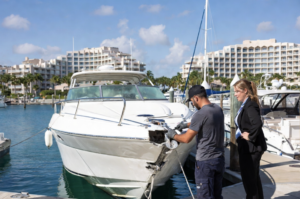
For a waterfront hotel, the view is part of the product. Guests are not only booking a room, a bed, or a breakfast. They are booking the feeling of being near the water. They expect clean docks, polished outdoor spaces, attractive boats, safe walkways, and a property that looks cared for from the shoreline to the lobby. When a hotel sits beside a marina, lake, river, bay, or coastal harbor, every visible detail becomes part of the guest experience.
That includes boats.
A damaged, faded, cracked, or poorly maintained fiberglass boat can affect more than the boat owner’s pride. It can influence how guests view the entire waterfront area. For hotels that offer boat rentals, fishing charters, water taxis, resort shuttles, dockside dining, or marina partnerships, boat condition becomes part of the hospitality experience. A beautiful waterfront can lose some of its appeal when guests see neglected vessels sitting in plain sight.
This is why waterfront hotel operators should understand the value of proper Fiberglass Boat Repair. It is not just a boating issue. It is a reputation issue, a safety issue, an asset protection issue, and a guest confidence issue.
Waterfront Hotels Sell More Than Rooms
A traditional hotel may focus heavily on rooms, amenities, parking, breakfast, and location. A waterfront hotel has all of those responsibilities, but it also carries the added expectation of scenery, atmosphere, and outdoor enjoyment. Guests often choose a waterfront stay because they want something memorable. They want morning coffee with a view, evening walks along the dock, photos near the water, and a sense that they are somewhere special.
Industry resources such as Skift’s hotel news coverage regularly show how competitive the hospitality market has become. Travelers have more choices than ever, and properties have to work harder to stand out. Waterfront access is a major advantage, but only when the waterfront itself looks maintained and inviting.
For hotels with boats on-site, those boats become part of the property’s visual identity. A clean, well-kept vessel suggests professionalism and care. A faded or damaged one suggests neglect, even if the rooms inside the hotel are spotless. Guests may not understand the technical details of fiberglass damage, but they can tell when something looks worn down.
That first impression matters. A hotel may spend thousands of dollars improving landscaping, signage, lighting, and lobby design, only to have the waterfront area send the opposite message.
Fiberglass Damage Can Start Small and Spread Quickly
Fiberglass is popular in boats because it is strong, lightweight, and resistant to many marine conditions. Still, it is not invincible. Constant sun exposure, saltwater, freshwater minerals, impacts, dock rash, moisture intrusion, and normal wear can all affect the surface over time.
Small cracks may not seem urgent at first. A light scratch near the hull or a faded gelcoat finish may look cosmetic. But with boats, cosmetic problems can sometimes point to deeper maintenance concerns. Water can work its way into damaged areas. Stress cracks can expand. Surfaces can weaken. What starts as a small repair can become a larger restoration project if it is ignored too long.
This is especially important for hotel-owned boats that see regular guest use. Rental boats, shuttle boats, excursion vessels, and small marina craft often experience more wear than privately owned boats because different people handle them every day. Bumps against docks, loading and unloading, luggage, coolers, fishing gear, and weather exposure all add up.
For a hotel, delayed maintenance can also create scheduling problems. If a boat becomes unavailable during peak season, the property may lose revenue, disappoint guests, or have to scramble for a replacement. Preventive care is usually easier to manage than emergency repair.
Guest Confidence Is Built Through Visible Maintenance
Guests notice more than hotel managers sometimes realize. They notice peeling paint, cloudy windows, dirty outdoor furniture, loose railings, stained walkways, and worn equipment. Around the water, they notice boats.
A guest considering a sunset cruise, fishing trip, dockside shuttle, or boat rental wants to feel safe before stepping on board. Even if a boat is mechanically sound, visible fiberglass damage can create doubt. Cracks, chips, faded surfaces, and rough patches may cause guests to wonder whether the rest of the vessel has been maintained properly.
That concern can affect bookings. It can also affect reviews. In the hotel industry, reputation is shaped by small details that guests mention online. A waterfront hotel might receive compliments about the view while also taking criticism for a neglected dock or poorly maintained boats.
Organizations such as Hotel News Resource cover hotel operations, development, and guest experience trends across the industry. One consistent theme in hospitality is that perception and trust are closely connected. Guests do not separate every part of a property into different departments. To them, the dock, the boats, the pool, the restaurant, and the rooms all belong to the same overall experience.
When the boats look professional, the hotel looks professional.
Waterfront Assets Need a Maintenance Plan
Hotels are usually disciplined about maintaining major property assets. Elevators are inspected. HVAC systems are serviced. Roofing, plumbing, kitchens, pools, and landscaping are placed on maintenance schedules. Boats and marina-related equipment should receive the same level of planning.
A waterfront hotel should have a routine inspection process for any fiberglass boats connected to the property. That includes checking the hull, deck, transom, edges, corners, seating areas, storage compartments, and high-contact surfaces. Staff should look for cracks, chips, discoloration, soft spots, fading, exposed fibers, and areas where water may be entering.
The goal is not to turn hotel staff into marine technicians. The goal is to catch visible problems early and bring in the right help before the damage becomes more expensive. A simple inspection checklist can make a major difference, especially during busy seasons when boats are being used often.
The American Hotel & Lodging Association provides hotel industry news and updates that often highlight operational pressures, rising costs, and the importance of strong management practices. For waterfront hotels, boat maintenance fits into that same operational mindset. It is about protecting guest experience while controlling long-term costs.
A property that waits until damage is obvious to every guest has already waited too long.
The Waterfront Area Is Part of the Brand
A hotel brand is not only built through logos, room design, and advertising. It is built through what guests see, touch, and remember. For waterfront hotels, the shoreline is part of the brand.
A marina with clean boats, organized docks, clear signage, and polished surfaces creates a sense of calm and quality. Guests are more likely to take photos, spend time outdoors, book activities, and recommend the property. A neglected waterfront does the opposite. It makes the property feel older, less cared for, and less premium.
This matters for independent hotels, boutique properties, resorts, fishing lodges, lakefront inns, coastal hotels, and destination wedding venues. It also matters for hotels that do not directly rent boats but have vessels nearby as part of the property view. If guests see damaged boats from their balcony, restaurant table, event lawn, or pool deck, that view affects the stay.
The basic definition of a hotel may focus on paid lodging, but modern hospitality has expanded far beyond the room itself. Guests now judge the entire environment. A waterfront hotel has to think about the full scene it presents.
That scene should feel intentional.
Boat Repair Can Protect Revenue Opportunities
Many waterfront hotels use their location to create additional revenue. Boat rentals, guided tours, fishing packages, waterfront weddings, corporate retreats, marina slips, and dockside events can all add value. These offerings depend on trust, presentation, and availability.
A boat that looks worn down is harder to sell as part of a premium experience. A boat that is out of service cannot generate revenue at all. Even one unavailable vessel can create problems during high-demand periods, especially if guests booked activities in advance.
Proper fiberglass repair helps protect those opportunities. It keeps boats looking better, functioning longer, and staying ready for guest-facing use. This is particularly important for properties that market themselves around outdoor recreation or waterfront luxury.
Hospitality publications such as Hospitality Net often cover the connection between guest expectations, hotel investment, and competitive positioning. Waterfront hotels operate in a space where visual appeal and experience design are extremely important. Boats are not background equipment. They are part of the experience guests believe they are buying.
When those boats are maintained well, they support the hotel’s overall value.
Safety and Appearance Work Together
Some hotel managers may think of boat appearance as a cosmetic concern. In reality, appearance and safety are often connected. A damaged fiberglass surface can create rough edges, weak spots, or places where water intrusion may occur. Cracks and chips may also indicate stress from impacts or repeated use.
Even when the issue is only cosmetic, it can still affect the way guests feel. People make safety judgments quickly. If a boat looks poorly maintained, guests may question whether life jackets, engines, railings, docks, and other equipment are maintained as well.
For hotels, this is a risk that can be reduced with consistent attention. A clean and repaired boat communicates that the property takes maintenance seriously. It reassures guests before staff ever says a word.
This is especially important for family travelers, older guests, corporate groups, wedding parties, and anyone unfamiliar with boating. They may not know what is normal wear and what is serious damage. They only know whether they feel comfortable.
Online Reviews Can Reflect Waterfront Conditions
A hotel’s waterfront area can become a major part of its online reputation. Guests love posting photos of water views, boats, sunsets, docks, restaurants, and outdoor seating areas. When the setting looks beautiful, that user-generated content can become free promotion. When the setting looks neglected, the same visibility can work against the property.
A single guest photo of a cracked, stained, or damaged boat may not seem like a major issue. But repeated impressions shape the way future guests view the property. Travelers often scan images before they read long descriptions. If the waterfront does not look appealing, they may move on to another hotel.
News and analysis from outlets like Hotel Dive frequently point to changing traveler expectations and the importance of experience-driven hospitality. Today’s guests are not only comparing room rates. They are comparing atmosphere, amenities, activities, and the feeling a property creates.
For waterfront hotels, the condition of boats can influence that feeling before a guest ever arrives.
Seasonal Planning Makes Repairs Easier
Waterfront hotels should think seasonally when it comes to boat maintenance. The best time to inspect and repair fiberglass damage is usually before the busy season begins. Waiting until peak travel periods can create scheduling conflicts, longer downtime, and more pressure on staff.
A seasonal plan may include pre-season inspections, mid-season touchpoints, and end-of-season evaluations. Hotels in warm coastal areas may need more frequent checks because boats are used throughout the year. Properties in seasonal lake or resort markets may have a shorter but more intense operating window.
Travel and lodging resources such as Travel Weekly’s hotel coverage show how much attention travelers give to destinations, experiences, and property quality. A waterfront hotel that wants to compete well should avoid treating boat repair as an afterthought. It should be part of the same planning cycle as room refreshes, pool maintenance, landscaping, and exterior cleaning.
The more organized the maintenance schedule, the less likely the hotel is to face surprise issues during important booking periods.
Choosing the Right Repair Approach Matters
Not every fiberglass issue requires the same solution. Some problems may involve surface restoration. Others may require structural repair, gelcoat work, sanding, sealing, or more detailed refinishing. The right approach depends on the location, depth, and cause of the damage.
Hotels should avoid quick fixes that only hide the problem for a short time. A rushed patch may look acceptable from a distance, but waterfront guests often get close to boats when walking docks, boarding vessels, or taking photos. Poor repair work can stand out almost as much as the original damage.
The goal should be a repair that supports durability, appearance, and long-term value. That means using proper materials, preparation, and finishing methods. For hotel properties, the standard should be higher because the boat is not only transportation or equipment. It is guest-facing property.
A well-maintained boat helps the hotel look organized, careful, and professional. That impression supports the larger hospitality promise.
Conclusion
Waterfront hotels have a special advantage. They offer scenery, atmosphere, and experiences that ordinary properties cannot always provide. But that advantage comes with responsibility. The waterfront must look cared for. The docks must feel safe. The boats must support the quality of the stay.
Fiberglass damage should never be ignored simply because it starts small or seems cosmetic. For a hotel, boat condition affects guest confidence, brand perception, revenue opportunities, online reviews, and long-term maintenance costs. A cracked, faded, or damaged boat can quietly send the wrong message about an otherwise excellent property.
The smartest waterfront hotels treat boat maintenance as part of hospitality, not separate from it. They inspect regularly, repair early, plan seasonally, and understand that every visible detail contributes to the guest experience.
A clean room may earn satisfaction. A beautiful waterfront may create a memory. A well-maintained boat can help protect both.