
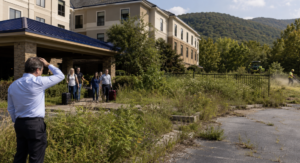
West Virginia hotels have a natural advantage that many destinations would love to have. The state is filled with mountain views, wooded landscapes, outdoor recreation, scenic highways, college-town traffic, business travelers, and visitors looking for a quieter escape. From Morgantown and the surrounding Monongalia County region to mountain resort areas, state parks, and small-town travel corridors, hospitality properties across West Virginia depend heavily on first impressions.
The problem is that many hotel owners focus on the lobby, the guest rooms, the website, and the online reviews while overlooking one of the first things every guest sees before they ever walk through the front door: the land around the property.
Overgrown acreage, brush, invasive vegetation, neglected tree lines, drainage areas, unmanaged hillsides, and messy open spaces can quietly damage the reputation of a hotel. A property may have clean rooms, friendly staff, and competitive rates, but if the outside looks neglected, travelers may assume the inside is neglected too. That assumption can cost bookings, reviews, repeat guests, and long-term property value.
That is why professional large acreage vegetation management matters for West Virginia hotels, especially those located near wooded roads, rural corridors, commercial developments, slopes, fields, and larger parcels of land. In a state where tourism continues to be a major economic driver, hotels cannot afford to let unmanaged land send the wrong message.
West Virginia Tourism Makes Hotel Appearance More Important Than Ever
West Virginia has worked hard to build its identity as a travel destination. The state’s mountains, rivers, trails, parks, and small towns are a major part of its appeal. The official West Virginia Tourism website promotes the state as a place for scenic road trips, outdoor adventure, lodging, and memorable travel experiences. That means hotels are not just offering a room. They are part of the guest’s overall impression of West Virginia.
Travelers today often choose hotels based on photos, reviews, convenience, safety, cleanliness, and curb appeal. When a guest pulls into a hotel parking lot, the exterior becomes part of the experience. If the entrance is clean, trimmed, open, and welcoming, it reinforces trust. If the property is surrounded by weeds, high brush, vines, overgrowth, blocked sightlines, and unmanaged acreage, it creates doubt.
This is especially important in a state like West Virginia, where natural beauty is part of the brand. Guests expect mountains, trees, and greenery, but they do not expect neglected land. There is a major difference between a scenic natural setting and a property that looks like maintenance has been ignored.
Hotels near Morgantown, along travel routes, close to event venues, near hospitals, near West Virginia University, or near outdoor recreation areas often serve guests who are making quick decisions. A traveler may choose one hotel over another simply because one looks safer, cleaner, and better maintained from the outside.
The Real Cost of Overgrown Hotel Grounds
Overgrown land does more than make a property look messy. It can create a chain reaction of problems that affects guest confidence, operations, safety, maintenance costs, and online reputation.
Tall weeds and brush can make a hotel look abandoned or poorly managed. Guests may wonder whether pests are a problem. They may worry about walking from the parking lot at night. They may question whether the property is secure. Families traveling with children may notice unmanaged areas near sidewalks, slopes, or drainage spaces. Business travelers may simply decide the property does not match the level of professionalism they expect.
Overgrowth can also hide problems that hotel staff may not notice right away. Drainage issues, erosion, fallen limbs, trash, damaged fencing, blocked signs, and unsafe walking areas can all become harder to manage when vegetation is out of control. What begins as a landscaping issue can become a property management issue.
For hotels with larger acreage, basic mowing is often not enough. A standard lawn crew may be able to maintain the front grass near the entrance, but large parcels, wooded edges, hillsides, utility areas, back lots, and brush-heavy zones require more specialized equipment and planning. That is where Large Acreage Vegetation Management Morgantown WV becomes a valuable service for hotel properties that need more than simple lawn maintenance.
Curb Appeal Directly Influences Guest Trust
Hotel guests make decisions quickly. A clean website may get the booking, but the property exterior confirms whether the guest feels good about that decision. The moment a traveler arrives, they begin judging the hotel.
A well-managed property tells guests that ownership pays attention. Trimmed acreage, clear entryways, open sightlines, clean borders, and maintained green space all send a message of care. That message can influence how guests perceive the lobby, the rooms, the staff, and even the value of their stay.
On the other hand, overgrown vegetation can create a negative first impression before the guest checks in. Even if the hotel staff provides excellent service, the guest’s opinion may already be shaped by what they saw outside. In hospitality, trust begins before the front desk.
The West Virginia Hospitality & Travel Association represents lodging, restaurant, convention and visitors bureaus, and tourism interests across the state. Its presence shows how important hospitality is to West Virginia’s broader business environment. Hotels compete not only with each other, but also with cabins, short-term rentals, resorts, and alternative lodging options. Exterior property care is one way hotels can protect their competitive edge.
Large Properties Need More Than Basic Landscaping
Many hotel properties in West Virginia are not sitting on tiny urban lots. Some are located near hillsides, wooded edges, fields, access roads, retention areas, commercial acreage, or undeveloped land. Others may sit near highways, campuses, hospitals, industrial areas, event venues, or recreational destinations where land can grow out quickly during the warmer months.
Large acreage vegetation management is different from weekly mowing. It can involve brush cutting, clearing overgrowth, managing thick vegetation, improving access, opening sightlines, controlling problem areas, and making the property easier to maintain over time.
For hotel owners and managers, this type of work can support several goals at once. It can improve appearance, reduce future maintenance headaches, make outdoor areas feel safer, protect property access, improve visibility from roads, and help the property look more professional in photos and in person.
This matters because West Virginia’s travel economy continues to grow. Reports from the West Virginia tourism sector have highlighted the importance of visitor spending and the economic impact of travel throughout the state. The Economic Impact of Visitors to West Virginia report provides important context for how tourism supports local communities, businesses, and jobs. Hotels that want to benefit from that growth need to make sure their properties look ready for guests.
Unmanaged Vegetation Can Affect Safety and Accessibility
Hotels have a responsibility to create a property environment that feels accessible, safe, and welcoming. While vegetation management is often viewed as cosmetic, it can also be connected to practical safety concerns.
Overgrowth can block signs, narrow walking areas, hide uneven ground, reduce visibility near entrances, and make parking lots feel less secure. Brush near the edges of the property may collect trash or create areas where pests are more likely to gather. Tree limbs, vines, and dense growth can interfere with maintenance access or make it harder to inspect the property.
For West Virginia hotels, terrain can add another layer of difficulty. Slopes, wooded borders, drainage ditches, and uneven land are common throughout the state. A property that looks manageable in winter may become difficult to control during spring and summer growth. Without a plan, hotel staff may find themselves reacting to problems instead of preventing them.
Professional vegetation management helps bring those areas under control. It is not about removing the natural beauty of the land. It is about shaping and maintaining the property so guests see a clean, intentional, and professionally managed environment.
Online Reviews Can Be Influenced by What Guests See Outside
Many hotel owners think reviews are mostly about rooms, beds, bathrooms, breakfast, and customer service. Those things matter, but exterior appearance can influence reviews too. Guests may mention that a property looked run down, the parking lot felt uncomfortable, the outside was not maintained, or the grounds did not match the photos.
Even when guests do not mention vegetation directly, the exterior still shapes the overall tone of the stay. A guest who arrives already disappointed may be more likely to notice small problems inside. A guest who arrives feeling confident may be more forgiving of minor issues.
News and travel coverage around West Virginia tourism continues to show growing attention on the state as a destination. For example, WV Explorer has covered the growth of West Virginia tourism and its economic impact. As more travelers discover the state, hotels must understand that competition will become more visual and more reputation-driven.
A hotel’s photos, drive-up appearance, Google Business Profile images, guest-submitted pictures, and social media presence all work together. Overgrown land can hurt that image. Clean, managed acreage can strengthen it.
Vegetation Management Helps Protect Property Value
A hotel is not just a business. It is a real estate asset. The condition of the land around the hotel affects how that asset is perceived by guests, lenders, investors, buyers, inspectors, and the local community.
When acreage is left unmanaged, the property may appear less valuable than it actually is. Overgrowth can make usable land look wasted. It can make access areas look forgotten. It can create the impression that ownership is delaying maintenance. Over time, that perception can affect the way people view the hotel’s professionalism and long-term potential.
West Virginia has several high-profile lodging and resort properties that receive public attention because hospitality assets matter to the state’s image and economy. Recent coverage from outlets such as The Wall Street Journal has shown how closely people follow major hotel and resort properties in the state. While most hotels are not famous resorts, every lodging property still contributes to the overall hospitality experience in its own market.
For independent hotels, roadside hotels, extended-stay properties, boutique lodging, and larger hospitality parcels, vegetation management can be a practical way to protect the value and appearance of the property.
Hotels Near Morgantown Have an Added Reason to Stay Sharp
Morgantown is one of West Virginia’s most active hospitality markets because it draws a mix of college visitors, medical travelers, business guests, sports fans, parents, contractors, and outdoor travelers. A hotel near Morgantown may serve guests visiting West Virginia University, attending events, traveling for healthcare, stopping during a road trip, or working in the region.
That variety of guests creates steady opportunity, but it also raises expectations. A hotel property that looks neglected from the road may lose guests to a competitor with cleaner grounds and stronger curb appeal. This is especially true when guests are comparing options online and then confirming their choice upon arrival.
A hotel does not need luxury landscaping to make a strong impression. It needs clean, controlled, well-managed land. Large acreage vegetation management can help hotels maintain that standard across the entire property, not just the front entrance.
Professional Land Care Supports the Guest Experience
Great hospitality is built on details. Guests notice the clean lobby, the helpful staff, the comfortable bed, and the convenient location. They also notice the parking lot, the entrance, the walkways, the lighting, the grass, the tree lines, and the overall condition of the property.
Professional vegetation management supports the guest experience by making the property feel more intentional. It helps the hotel look open instead of overgrown, cared for instead of forgotten, and safe instead of uncertain. For hotel owners, that can support stronger reviews, better photos, improved local reputation, and more confidence from travelers.
Authority organizations such as the American Hotel & Lodging Association regularly emphasize the importance of the lodging industry as part of the larger travel economy. In West Virginia, where tourism, outdoor recreation, and hospitality are deeply connected, hotels should view land management as part of guest service rather than a separate maintenance task.
Conclusion
The hidden property problem costing West Virginia hotels guests is not always inside the building. Sometimes it is outside, growing quietly around the edges of the property. Overgrown acreage, unmanaged brush, blocked sightlines, messy land, and neglected green space can send the wrong message before a guest ever reaches the front desk.
For hotels in Morgantown and throughout West Virginia, large acreage vegetation management is more than outdoor cleanup. It is a way to protect curb appeal, guest trust, safety, property value, and online reputation. As West Virginia continues to attract travelers, hotel owners need every advantage they can get.
Clean rooms matter. Friendly service matters. Competitive pricing matters. But the land surrounding the hotel also tells a story. When that story is one of care, professionalism, and attention to detail, guests are more likely to feel confident, comfortable, and ready to stay.