
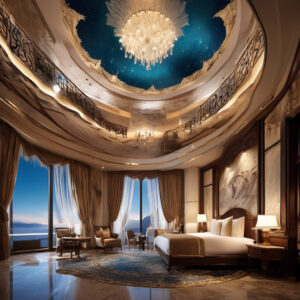
In the hospitality industry, maintaining a hotel’s aesthetic and functional integrity is paramount to ensuring a memorable guest experience. From the curb appeal that welcomes guests to the interior ambiance that defines their stay, every detail matters. One critical yet often overlooked aspect of hotel maintenance is industrial painting. This process involves the application of durable, high-performance coatings to surfaces that experience heavy wear and tear, such as metal, concrete, and wood. Industrial painting goes beyond simple cosmetic touch-ups. It serves as a crucial tool for extending the lifespan of a hotel’s infrastructure while enhancing the overall guest experience.
Whether it’s a newly built hotel or one with years of history, industrial painting offers numerous benefits that directly contribute to a hotel’s longevity, functionality, and aesthetic appeal. This article will explore why industrial painting is a necessity for hotels, focusing on its role in preserving the property’s condition, boosting curb appeal, maintaining safety standards, and ensuring cost-effective maintenance.
Understanding Industrial Painting and Its Benefits
Industrial painting is a specialized form of coating application used to protect and maintain various structures, including buildings, machinery, and equipment. It is typically performed using high-quality paints and coatings designed to withstand extreme environmental conditions. For hotels, industrial painting serves several purposes:
Protection Against Harsh Weather Elements Hotels, especially those in areas with extreme climates, face constant exposure to the elements. Whether it’s the heat of the summer sun, the cold of winter, or the humidity of coastal regions, these weather conditions can cause significant wear and tear on a building’s exterior and structural components. Industrial paints are specifically formulated to withstand these elements and provide a protective barrier against corrosion, rust, moisture damage, and UV degradation.
For example, coastal hotels must contend with salty air that can rapidly erode metal and concrete surfaces. Industrial coatings designed for coastal conditions can help prevent rust and decay, ensuring the building maintains its structural integrity for years to come.
Preserving Building Materials and Extending Lifespan Hotels are substantial investments, and their maintenance should reflect that. The application of industrial-grade coatings on surfaces like steel beams, concrete walls, and flooring helps protect the building materials from damage caused by everyday wear and tear. Without proper painting, materials can deteriorate quickly, leading to costly repairs and replacements.
Concrete surfaces, for instance, are susceptible to cracking, staining, and moisture absorption, all of which can lead to the growth of mold and mildew. Industrial coatings designed for concrete can seal these surfaces, preventing moisture from penetrating and prolonging the lifespan of the structure. Similarly, metal components exposed to outdoor environments benefit from industrial coatings that prevent rust, corrosion, and staining.
Enhanced Aesthetic Appeal First impressions matter, especially in the hospitality industry. When guests arrive at a hotel, the building’s exterior sets the tone for the entire experience. A well-maintained, freshly painted hotel creates a welcoming atmosphere and leaves a lasting impression on guests. Industrial painting can help hotels achieve a polished and refined look, enhancing their curb appeal and making them stand out in a competitive market.
Furthermore, industrial painting allows hotels to incorporate a variety of color schemes, textures, and finishes that align with their brand identity. Whether a hotel aims for a sleek, modern aesthetic or a more rustic, cozy charm, industrial painting can deliver the desired visual effect while offering long-lasting durability.
Improved Safety and Hygiene Hotels are places where large numbers of people gather and interact. Therefore, maintaining a safe and hygienic environment is essential. Industrial paints and coatings are designed with safety in mind. For example, anti-slip coatings can be applied to high-traffic areas, such as hallways, staircases, and outdoor walkways, reducing the risk of slips and falls. This is particularly important for hotels that experience heavy foot traffic and have diverse guest demographics, including families with children and elderly guests.
In addition, certain industrial coatings are resistant to bacteria and mold growth, which is crucial for maintaining high hygiene standards. Hotel rooms and common areas that are frequently exposed to moisture can benefit from antimicrobial coatings that help keep the property clean and healthy for guests and staff alike.
Cost-Effective Maintenance Solution While the initial investment in industrial painting may seem significant, the long-term benefits far outweigh the costs. Regularly applying high-quality industrial coatings can prevent extensive damage to the building, which can be expensive to repair. By investing in industrial painting, hotels can reduce the frequency of major repairs and extend the intervals between maintenance cycles.
Additionally, industrial coatings can help improve energy efficiency by reflecting heat and reducing the need for air conditioning in hot climates. This not only lowers energy costs but also contributes to a more sustainable and eco-friendly operation, a factor that is increasingly important to modern travelers.
The Role of Industrial Painting in Different Hotel Areas
Industrial painting can be applied to various parts of a hotel, each benefiting from enhanced protection and aesthetics. Below, we’ll break down the areas of a hotel that most commonly require industrial painting:
Exterior Surfaces The exterior of a hotel is its first line of defense against environmental factors. Industrial painting helps protect walls, roofs, windows, doors, and other exterior features from the damaging effects of sun, wind, rain, and snow. Whether it’s a concrete hotel building or a steel-framed structure, applying a protective coating ensures that the hotel maintains its appearance and structural integrity, even in harsh conditions.
Interior Spaces Interior walls and floors in hotels experience constant wear and tear from foot traffic, furniture, cleaning, and environmental factors. High-traffic areas such as lobbies, hallways, and elevators require more frequent maintenance to preserve their appearance and cleanliness. Industrial-grade paints are often used in these areas for their durability, ease of cleaning, and ability to resist stains, scratches, and scuffs. They also help ensure that surfaces are easy to sanitize, an essential factor in today’s post-pandemic world.
Metal Fixtures and Furniture Hotels often use metal fixtures such as railings, doors, windows, and furniture. These items are not only essential to the functionality of the space but also contribute to its aesthetic. Applying industrial coatings to metal surfaces helps prevent rust, corrosion, and wear, ensuring that they remain functional and visually appealing for years.
Outdoor Areas and Amenities Many hotels offer outdoor spaces such as patios, pools, and outdoor seating areas. These areas are exposed to the elements and require industrial coatings that can withstand weather changes, humidity, and even pool chemicals. Industrial painting ensures that these spaces remain safe, functional, and attractive, enhancing the overall guest experience.
Conclusion
Industrial painting is a vital component of hotel maintenance, offering numerous benefits that extend far beyond just cosmetic appearance. By protecting surfaces from the damaging effects of the environment, preserving the structural integrity of the building, enhancing aesthetic appeal, and improving safety and hygiene, industrial painting plays a critical role in ensuring the longevity and success of a hotel. The investment in high-quality industrial coatings is one that pays off in the long run, helping hotels minimize maintenance costs, avoid costly repairs, and create an unforgettable experience for their guests.
Hotels looking to maintain their competitive edge in the ever-evolving hospitality industry should prioritize industrial painting as an essential part of their upkeep strategy. It’s more than just a fresh coat of paint – it’s a commitment to quality, safety, and sustainability that will pay dividends for years to come.